
EV Charging for Apartments and Condos in Garden Grove
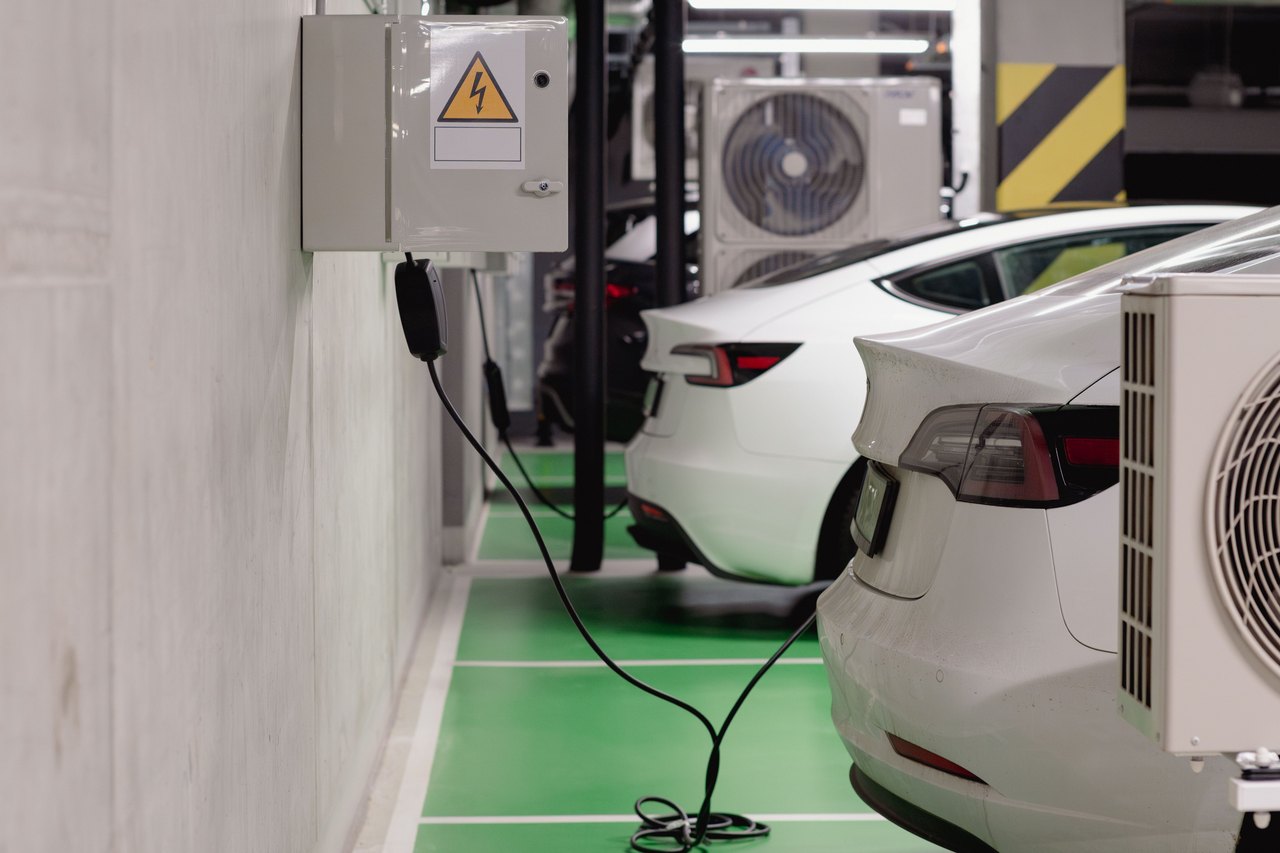
Owning an EV is easy when you have a private garage and a wall to mount a charger on. It gets more complicated in an apartment or condo, where parking is shared, the electrical panel serves the whole building, and any change may need a landlord or an HOA to sign off. Garden Grove has a lot of multi-family housing, and plenty of EV drivers here are trying to solve exactly this problem. This guide lays out how multi-family and HOA EV charging actually works, the options open to renters and condo owners, and how buildings can add charging without rewiring the whole property.
Why Charging Is Different in Multi-Family Housing
In a single-family home, adding a charger is a conversation between you and your own electrical panel. In an apartment or condo, several parties share the same infrastructure, and that changes everything. Parking may be assigned, tandem, or open, so the charger cannot always live next to your space. The building's electrical service has a finite capacity that already feeds every unit, so adding several chargers is a load question, not just a wiring one. And billing matters: unlike a house, where charging simply shows up on your own meter, a shared circuit needs a way to make sure the right resident pays for the power they use. These are all solvable, but they are why multi-family charging takes more planning than a garage install.
Your Options as a Renter or Condo Owner
Depending on your building and your parking, you usually have a few paths to reliable charging. The right one depends on how close your space is to a power source, how supportive your landlord or HOA is, and how much you drive. It also helps to map where power already exists in the parking area, since a space near an existing subpanel is far cheaper and simpler to serve than one clear across the lot, and that single detail often decides which option is realistic.
- A dedicated charger at your space: a circuit run to your assigned spot, ideally submetered so you pay for your own energy.
- Shared or networked stations: one or more Level 2 stations in a common area that bill each user through an app or access card.
- Level 1 from an existing outlet: slow but sometimes workable if a standard outlet is already near your space and your mileage is low.
- Asking the property to add EV-ready infrastructure: conduit and panel capacity installed now so chargers can be added easily later.
- A workplace or public fallback: pairing lighter home charging with charging at work or nearby public stations.
Trying to get charging into your Garden Grove apartment, condo, or HOA? We assess the building's capacity and lay out realistic options and costs before any work begins.
Instant QuoteRenters and condo owners have more leverage than they often assume. California has right-to-charge provisions that limit how much a landlord or a homeowners association can unreasonably block a resident from installing EV charging, subject to reasonable conditions such as insurance, permits, and paying for the work. If your HOA or landlord has said no outright, it is worth understanding those protections before giving up on home charging, since a reasonable, well-documented request is much harder to refuse than a vague one.
For HOAs and Property Managers: Adding Charging
For the people who run a building, EV charging has shifted from a perk to an expectation, and doing it well protects both residents and the property's electrical system. The starting point is a capacity assessment: how much spare power the service has, and how many chargers it can support before an upgrade is needed. From there, networked Level 2 stations are usually the smart choice, because ENERGY STAR notes that connected EV chargers allow remote power monitoring and control and can qualify property managers for special energy programs. Networked units also handle billing automatically, load-share across limited capacity, and scale as more residents go electric, which avoids paying for a huge upgrade before the demand is there.
Costs, Metering, and Who Pays
The thorniest question in multi-family charging is usually money: who pays for the equipment, and who pays for the electricity. Networked stations solve the electricity side by metering each session and billing the driver directly, so no neighbor subsidizes anyone's commute. On the equipment side, the cost can be shared between the resident and the property depending on the arrangement, and incentives help either way. California's DriveClean guide points to a federal tax credit worth 30 percent of qualified charging hardware and installation, up to $1,000, and utility programs periodically offer multi-family charging incentives. Sorting out who owns and pays for what before the work starts prevents most of the disputes that stall these projects.
Why Buildings Are Adding Charging Now
For property owners, EV charging has moved from amenity to expectation, and there are practical reasons to act rather than wait. Residents increasingly screen apartments and condos for charging the way they once screened for in-unit laundry, so buildings that offer it attract and keep tenants and buyers more easily. Charging can also be a modest revenue line when networked stations bill users, rather than a pure cost. And installing conduit and panel capacity while other electrical work is already underway is far cheaper than tearing things open later, so even a building that adds only one or two stations now benefits from wiring for more. Getting ahead of demand almost always costs less than scrambling to catch up to it after residents start asking.
How a Multi-Family Install Actually Happens
The process is more coordinated than a single-home job but follows a clear arc. It starts with an electrical assessment of the building's service and the run from the panel or subpanel out to the parking. From there a design settles the number of stations, whether they load-share across limited capacity, and how billing and access will work. The installer pulls the permits, runs the circuits, mounts and commissions the stations, and coordinates the inspection, then configures the networking so residents can start sessions and be billed automatically. Doing it with a licensed contractor who has handled shared systems keeps the building's electrical safe and the residents' day-to-day experience simple, which is ultimately the whole point.
Garden Grove Specifics
Garden Grove is one of the denser cities in Orange County, with a large share of apartments, condos, and older multi-unit buildings, including many around the Little Saigon area and the busy corridors off Garden Grove Boulevard. That density is exactly why home charging questions come up so often here, and why building-level solutions matter. The whole city is served by Southern California Edison, so networked stations can tie into SCE's EV programs and time-of-use rates, and the U.S. Department of Energy's Alternative Fuels Data Center stresses that the work should be done by a qualified electrician and permitted, which is doubly important on shared building systems.
Getting Charging Into Your Building
The practical path is to start with the building, not the charger. Confirm what the electrical service can support, decide whether a dedicated space or shared networked stations fit your parking and residents, and settle who pays for equipment and energy before anyone signs off, using networked metering so each driver covers their own power. Renters and condo owners should know California's right-to-charge protections exist before assuming a no is final, and HOAs should plan for more EVs than they have today so the first install does not have to be redone in two years. When your Garden Grove building is ready to move, Garden Grove EV Charger can assess the capacity and design the multi-family charging setup that fits it.
Bring EV Charging to Your Garden Grove Building
Whether you are one resident or a whole HOA board, we will assess the building's capacity and design a charging setup that fits the parking, the panel, and the budget.