
Outdoor EV Charger Installation in Garden Grove: A Weatherproof Setup Guide
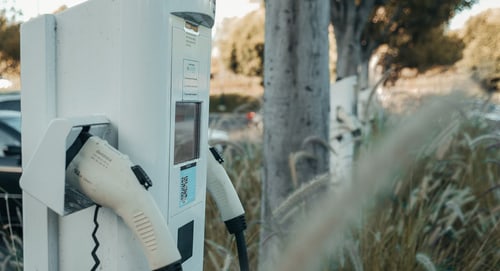
Outdoor EV charger installation is the reality for most Garden Grove homes, where the driveway or a detached carport off the alley is the only practical place to park and plug in. A charger mounted outside has to shrug off coastal humidity, summer heat, and the occasional winter downpour, yet stay reliable for a decade of daily use. Done right, an outdoor charger is as safe as one bolted inside a garage: the U.S. Department of Energy notes that outdoor installation and charging in the rain are safe as long as the equipment is outdoor-rated. This guide walks through the weatherproof enclosures, cable, conduit, mounting, and permitting choices that keep an outdoor charger working through an Orange County year.
Key Takeaways
- Outdoor EV charger installation is safe when the unit, enclosure, and wiring are all rated for exposure to rain, sun, and temperature swings.
- Look for a charger with a NEMA 3R, 4, or 4X enclosure; 3R sheds rain, while 4 and 4X add protection against windblown dust and hose-directed water.
- ENERGY STAR certified chargers are tested for safety by a nationally recognized testing laboratory, a useful baseline when you shop.
- Outdoor circuits usually call for conduit, sunlight-resistant conductors, and ground-fault protection sized to the charger's load.
- Mount the unit roughly 18 to 48 inches off the ground, out of standing water and, where possible, direct afternoon sun.
- In Garden Grove, a Level 2 install needs a permit and a licensed electrician, and SCE's Charge Ready Home program may rebate part of the cost.
Can You Install an EV Charger Outside?
Yes, an EV charger can be installed outdoors safely as long as the equipment is built for it. The Department of Energy's Alternative Fuels Data Center states that outdoor installation and use are safe, even when the vehicle is charging in the rain, provided you use outdoor-rated equipment. That last clause is the whole job: an indoor-only unit, a standard receptacle, or exposed wiring is what turns an outdoor setup into a hazard, not the weather itself. For Garden Grove homes near the SR-22 and I-5 corridors, where garage space is often tight or already full, the driveway or a carport is usually the most practical place to charge, so building the install to survive the elements is the first decision, not an afterthought.
Choose a Weatherproof Enclosure and Outdoor-Rated Charger
The enclosure rating is the first spec to check for any outdoor EV charger installation. Enclosures are graded with NEMA numbers: a NEMA 3R enclosure provides protection against falling rain and ice formation, while NEMA 4 and 4X step up to resist windblown dust, splashing, and even hose-directed water, with 4X adding corrosion resistance for salt air. Most residential Level 2 chargers sold for outdoor use carry a 3R or 4 rating, and coastal Orange County homes that catch the marine layer benefit from the tighter sealing of a 4 or 4X unit.
Certification is the second spec worth checking. ENERGY STAR notes that all certified EV chargers are tested for safety by a nationally recognized testing laboratory, and certified models also use about 40% less energy in standby mode. Choosing a certified, outdoor-rated charger up front sidesteps the far more expensive problem of pulling down and replacing a failed unit a year later.
Wiring an Outdoor Run: Cable Gauge, Conduit, and GFCI
Outdoor wiring has to be shielded from sun, water, and physical damage, which usually means running the conductors in conduit rather than leaving cable exposed on a wall. The wire gauge depends on the charger's amperage: a 40-amp charger on a 50-amp circuit typically uses 6-gauge copper, and a long run from the panel to a detached carport may need the next size up to offset voltage drop. Any conduit and conductors in sunlight should be rated for UV exposure and wet locations so they do not crack or degrade.
Ground-fault protection is the other outdoor essential. Charging equipment carries its own internal fault protection, and many outdoor circuits also require GFCI protection at the breaker. A hardwired EV charger installation can avoid some of the nuisance tripping that plug-in units see on GFCI breakers, which is one reason installers often favor hardwiring outdoor chargers. Whether you hardwire or use an outlet, the connection point itself has to sit inside a weatherproof enclosure or an in-use bubble cover rated to stay sealed while a cord is plugged in.
A common outdoor mistake is reusing an existing exterior receptacle meant for a leaf blower or string lights. EV charging pulls far more current for hours at a time, so the circuit, breaker, and receptacle all have to be sized and rated for a continuous EV load, not borrowed from a convenience outlet.
Mounting Height, Sun, Heat, and Security
Mounting is where daily comfort and long-term durability meet. Position the charger roughly 18 to 48 inches off the ground so the connector is easy to reach and the unit stays above splashing and any standing water that pools on the driveway. Where you have a choice of wall or post, favor a spot out of direct western afternoon sun; Garden Grove summers climb well into the 90s, and shading the unit keeps the electronics and cable cooler and lengthens their service life.
Plan the cable path and security at the same time. A wall holster keeps the connector off the ground and out of puddles, and routing the cable so it never crosses a walkway prevents both trips and premature wear. For a charger visible from the street or the alley, a locking connector holster or a model with built-in access controls discourages tampering and unauthorized charging.
Permits, SCE Power, and Hiring a Garden Grove Pro
A compliant outdoor EV charger installation in Garden Grove is a permitted job performed by a licensed electrician. The AFDC notes that appropriate permits may be required from local building and permitting authorities, and Southern California Edison states plainly that you need a licensed electrician to install a Level 2 charging station, with installations commonly running $400 to $1,500 before any panel work. SCE's Charge Ready Home program may rebate a portion of the cost for customers who install a Level 2 charger within 120 days of getting their EV.
Many older Garden Grove homes also need a service or electrical panel upgrade to add a dedicated 240-volt circuit for charging. A professional Level 2 EV charger installation handles the load calculation, permit, outdoor-rated wiring, enclosure, and final inspection as a single project, so the finished setup is both safe and code-compliant from the breaker to the connector. You can review options and service areas on the Garden Grove EV Charger homepage.
Outdoor EV Charger FAQs
Is it safe to charge an EV outside in the rain?
Yes. The Department of Energy's Alternative Fuels Data Center confirms that outdoor charging is safe even in the rain, as long as the charger and its wiring are outdoor-rated. EV connectors and charging equipment are built to be weather-resistant, and the vehicle and charger exchange a handshake signal before any power actually flows to the cable.
What NEMA rating should an outdoor EV charger have?
Look for at least a NEMA 3R enclosure, which protects against falling rain and ice. A NEMA 4 or 4X rating adds protection against windblown dust and hose-directed water, and 4X also resists corrosion, which is worth the upgrade for coastal Orange County homes that sit in salty marine air.
Should an outdoor charger be hardwired or plugged into an outlet?
Both can work outdoors, but hardwiring is often preferred for outdoor installs. A hardwired charger avoids some GFCI nuisance tripping seen with plug-in units and removes an exposed outlet from the wall, though any outlet used outdoors must sit in a weatherproof in-use cover. Your installer can recommend the right approach for your charger and circuit.
Do I need a permit to install an EV charger outside in Garden Grove?
Yes. A Level 2 outdoor charger install in Garden Grove requires a permit and a licensed electrician, according to both the AFDC and SCE. The permit confirms that the circuit, wiring, and enclosure meet code, and it protects you at resale and for your homeowner's insurance.
Planning an outdoor charger for your driveway or carport? A certified Garden Grove installer will size the circuit, pick the right weatherproof enclosure, and pull the permit for you.
Get a Free QuoteCharge Outside with Confidence in Garden Grove
From enclosure rating to the final inspection, a licensed local team builds your outdoor charger to handle Orange County weather and code. Reach out for a flat-rate quote today.